Volunteer Project Catalog
Polk County Conservation
Make a positive impact on our local trails and help restore Iowa’s woodland habitat by removing harmful invasive species to promote the growth of native trees, grasses, and wildflowers! This volunteer opportunity offers a fun and meaningful service-learning experience. Volunteers will sharpen their skills in identifying both native and nonnative plant species, learn effective invasive removal techniques, and learn ways to positively impact Easter Lake Park, water quality, and the local hiking trails. Upcoming Dates: Thursday, December 3rd @ 10 AM - 12 PM & 1 - 3 PM Friday, December 4th @ 10 AM - 12 PM & 1 - 3 PM
How you can help:
Polk County Conservation
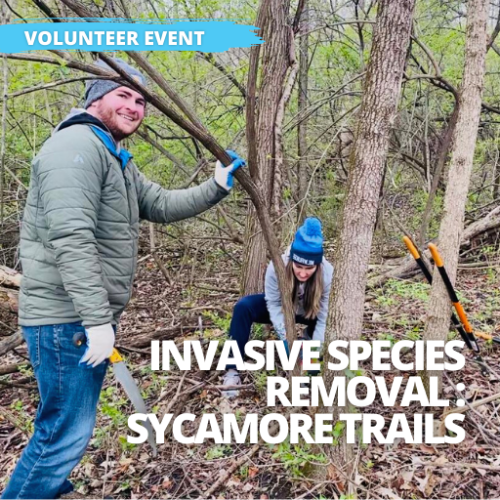
Make a positive impact on our local trails and help restore Iowa’s woodland habitat by removing harmful invasive species to promote the growth of native trees, grasses, and wildflowers! This volunteer opportunity offers a fun and meaningful service-learning experience. Volunteers will sharpen their skills in identifying both native and nonnative plant species, learn effective invasive removal techniques, and learn ways to positively impact Sycamore Trails, a premier trail network located along the west bank of the Des Moines River maintained 100% through volunteerism led by the Central Iowa Trails Association (CITA). Upcoming Dates: Thursday, November 12 @ 10 AM - 12 PM & 1 - 3 PM Friday, November 13 @ 10 AM - 12 PM & 1 - 3 PM Thursday, December 10 @ 10 AM - 12 PM & 1 - 3 PM Friday, December 11 @ 10 AM - 12 PM & 1 - 3 PM
How you can help:
Polk County Conservation
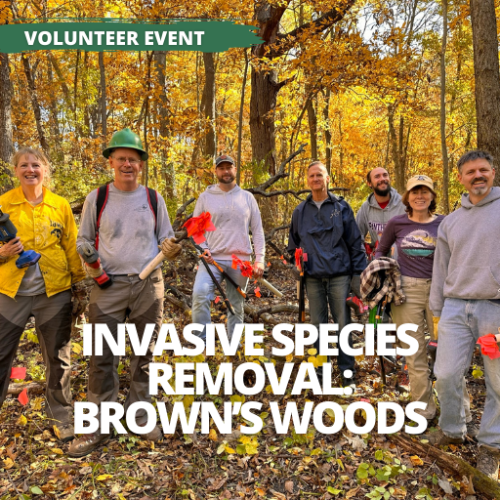
Help restore Iowa’s Woodland habitat by removing harmful invasive species to promote the growth of native trees, grasses, and wildflowers! This volunteer opportunity offers a fun and meaningful service-learning experience. Volunteers will sharpen their skills in identifying both native and nonnative plant species, learn effective invasive removal techniques, and learn ways to positively impact Brown's Woods, Iowa's largest urban forest situated along the Raccoon River. Upcoming Dates: Saturday, September 19th @ 10 AM - 12 PM Saturday, October 24th @ 10 AM - 12 PM Saturday, November 14th @ 10 AM - 12 PM - Meeting location: https://maps.app.goo.gl/xzTbrgcGaqzyb3je7?g_st=ig
How you can help:
Polk County Conservation
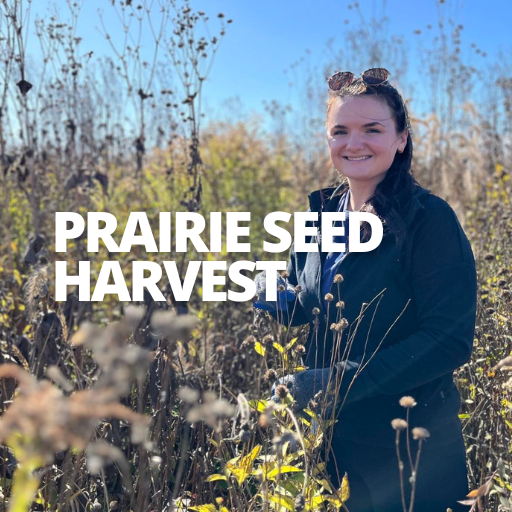
Join us for a hands-on day restoring Iowa’s natural solution to current water quality issues - our tallgrass prairie habitat. Once covering nearly the entire state, this critically endangered habitat now survives on 0.01% of its original range. Its loss is a significant factor in the serious environmental issues threatening our lands and waterways today. Alongside staff and fellow volunteers, you’ll collect seed from native plants ready for harvest. These seeds will be planted into the landscape and grow into deep-rooted native plants that naturally filter water, trap excess nutrients (like nitrates) before they reach rivers, and protect against flooding and soil loss. Your efforts directly help Polk County Conservation expand prairie across our parks and conservation areas, reducing contaminants at their source and improving water quality for everyone. You’ll also gain plant identification skills, learn about the connection between prairie and clean water, and be part of a team directly tackling one of Iowa’s biggest environmental challenges. By bringing prairie back, we bring back the land’s natural ability to clean the water. Join us to be part of the solution - for our community, our land, our rivers, and future generations. Upcoming Dates: September 3, 11, 15, 18 @ 10 AM - 12 PM & 1 - 3 PM October 6, 13, 20, 27, 30 @ 10 AM - 12 PM & 1 - 3 PM October 9, 23 @ 10 AM - 12 PM October 15 @ 1 - 3 PM ***CANCELLED DUE TO WEATHER*** Schedule: 9:45 - 10 AM: Morning volunteer check-in 10 - 10:15 AM: Project introduction and safety chat 10:15 - 10:30 AM: Mobilize to harvest location 10:30 AM - 12 PM: Morning harvest session 12 - 1 PM: Break 12:45 - 1 PM: Afternoon volunteer check-in 1 - 1:15 PM: Project introduction and safety chat 1:15 - 1:30 PM: Mobilize to harvest location 1:30 - 3 PM: Afternoon harvest session
How you can help:
Polk County Conservation
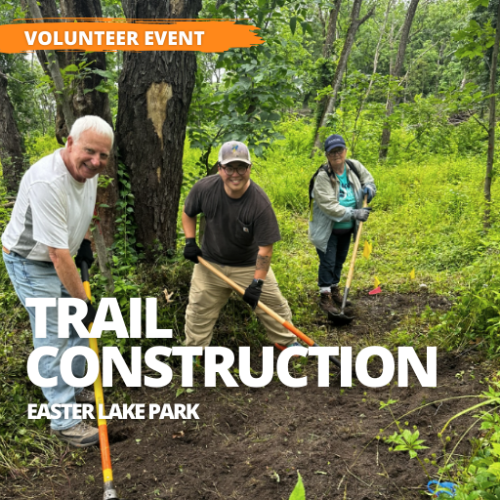
Join us for a day of teamwork, conservation, and community as we finish building a new and improved trail at Easter Lake Park. This is an excellent opportunity for trail enthusiasts to gain entry-level trail construction skills while make a meaningful impact on our local trails. Participants will wrap up the final phases of trail construction, adding the finishing touches that will bring this new route to life. The updated design improves long‑term sustainability, reduces maintenance needs, and enhances overall accessibility for trail users. With tools provided and guidance from Polk County Conservation staff, volunteers will learn effective construction techniques and best practices for building durable, user‑friendly trails. The event begins with a brief training session, followed by hands‑on building activities, and is well‑suited for both first‑time and experienced trail‑building volunteers. This volunteer project has been made possible by passing of the 2021 Polk County Water Land & Legacy Bond, which has provided $10 million towards trails throughout Polk County. Upcoming Dates: October 16 @ 9 AM - 12 PM & 1 PM - 3 PM ***CANCELLED DUE TO WEATHER*** October 30 @ 9 AM - 12 PM
How you can help:
Polk County Conservation
Help beautify our parks and community through litter cleanup! Removal of litter from waterways and beyond has lasting impacts on water quality, animal health, and more. Volunteers can be approved to work independently or with friends and family to remove litter within Polk County parks, trails, and watersheds during. Volunteers that sign up for this role will identify parks or focus areas with PCC volunteer staff for litter removal and will be given supplies including trash bags, trash grabbers, and gloves. This volunteer position is designed to be flexible allowing volunteers to participate on schedules that work for them. Volunteers are required to report volunteer hours dedicated to litter removal within our parks, trails, and watersheds. When possible, volunteers are asked to weigh and report the trash removed. Locations volunteers can participate include any Polk County park or trail. Find a list of our trails here: https://www.polkcountyiowa.gov/conservation/parks-trails/ *Hours should be reported for litter removal completed outside of publicly promoted litter removal events.
How you can help:

Polk County Conservation
Are you interested in becoming a water quality monitor volunteer? Across Polk County, volunteers help monitor 70 sites along our local waterways as a part of the Polk County Conservation Water Quality Monitoring Program (PCCWQMP). Each month volunteers monitor sites collecting data on weather, stream conditions, and basic chemical testing (pH, nitrate/nitrite, chloride, phosphate, and dissolved oxygen). WHAT TO EXPECT: TIME COMMITMENT Water quality monitoring occurs the first and/or third weeks of each month of the year. Monitoring takes 15-20 minutes at individual sites during most of the year. In mid-July/early August additional habitat assessments and biological (benthic macroinvertebrate collection) assessments are completed. These assessments typically take 1-2 hours. TRAINING and SUPPLIES All monitors receive free training prior to taking on a monitoring site. Online independent learning modules are available. All supplies, including equipment needed to complete water quality, testing will be provided to each volunteer. Field monitors submit their data through an app. FIELD ENVIRONMENT Monitoring takes places along our local waterways throughout neighborhoods of Polk County. Monitors are asked to monitor in the flow of the stream, although sometimes this is not possible so sampling along bridges is allowed in those cases. If becoming a water quality field monitor sounds like a good fit for you, we encourage you to sign up! After signing up, you will be asked to complete the agreement and the 5 modules of water quality training. Please contact the coordinator if you have questions. Thank you!
How you can help:
Polk County Conservation
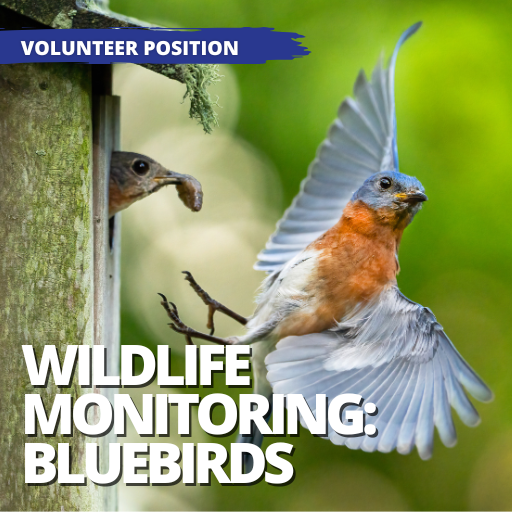
Take a hike on a bluebird box trail and perform weekly monitoring of bluebird nesting and hatchings! Bluebird monitoring gives the public an opportunity to observe native birds in local parks while also observing general populations trends. Bluebird wildlife monitors are assigned a route with nest boxes to observe weekly, collect data and maintain throughout the bluebird breeding seasons, April 1 – August 31. Whether you are a beginner or experienced birder, there is a place for you in our wildlife volunteer program. All wildlife monitor volunteers will be provided training and instruction as needed. Bluebird wildlife monitors are expected to: - Meet with volunteer staff for onboarding and training - Walk their designated route and collect data once a week or more if desired - Remove invasive bird nests - Communicate needs and requests for more training/education if needed - Submit their volunteer hours
How you can help:
Polk County Conservation
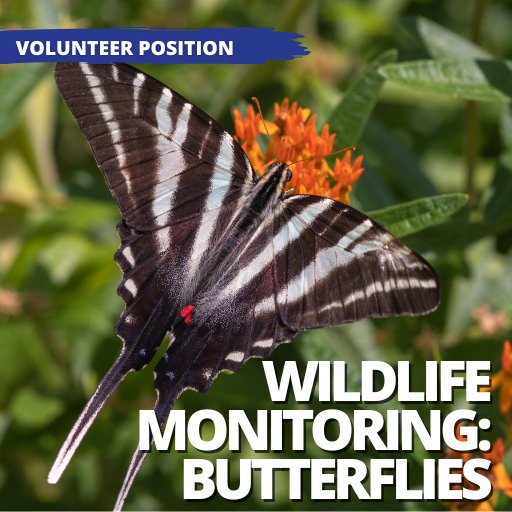
Ever wonder what just flitted by you on a trail? The presence and abundance of butterflies’ act as a good indication of habitat health and are also easily recognizable opportunities for the public to get involved with data collection. Butterfly wildlife monitors are assigned a route to observe 6+ times during butterflies’ most active seasons, June 1 – August 8. Monitors will collect and submit this data. Whether you are a beginner or experienced naturalist, there is a place for you in our wildlife volunteer program. All wildlife monitor volunteers will be provided training and instruction as needed. Butterfly wildlife monitors are expected to: - Complete a virtual onboarding and training - Walk their designated route and collect data 6 times or more if desired during designated season - Communicate needs and requests for more training/education if needed - Submit their volunteer hours
How you can help:
Polk County Conservation
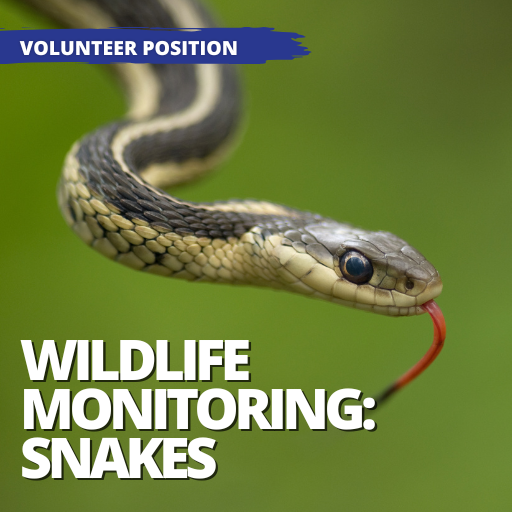
There’s a snake in my prairie! Snake populations give a good indication of habitat health; however, tracking this data can be difficult. Snake wildlife monitors are assigned a route with snake boards to observe weekly, collect data and maintain throughout the snake active seasons, March 20 – October 31. Snake boards are sheets of metal or wood that trap heat and allow reptiles to warm themselves under. Volunteers will lift these boards and collect what species of snake they see. Whether you are a beginner or experienced naturalist, there is a place for you in our wildlife volunteer program. All wildlife monitor volunteers will be provided training and instruction as needed. Snake wildlife monitors are expected to: - Meet with volunteer staff for onboarding and training - Walk their designated route and collect data once a week or more if desired - Communicate needs and requests for more training/education if needed - Submit their volunteer hours
How you can help:
Polk County Conservation
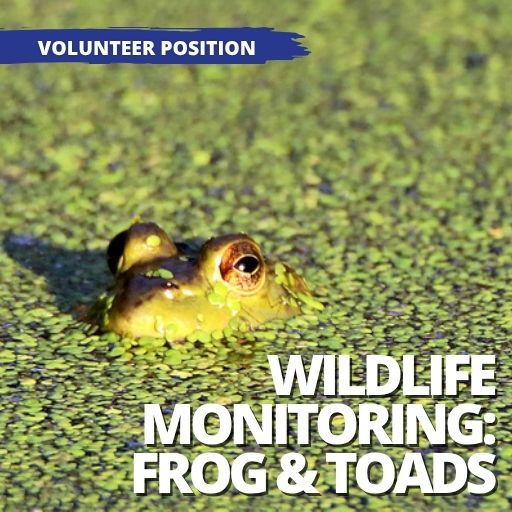
How is your hearing? Join Polk County Conservation and IA DNR to train your ear to identify the unique songs of common Iowa frogs and toads. Amphibians are especially sensitive to environmental change, making them powerful indicators of habitat health. The data collected helps PCC understand where populations are located and how land management practices can be adjusted to improve environmental conditions. Frog & Toad wildlife monitors are expected to: - Attend IADNR onboarding and training in March or April - Drive their designated route and collect data 6 times in designated time-frames or more if desired - Communicate needs and requests for more training/education if needed - Submit their volunteer hours and data
How you can help: